

Yes. A spring visit tests the system in cooling mode. The fall visit checks the reversing valve, defrost controls, backup heat strips and heating mode pressures, which a cooling check never touches.
Aim for October or November, after the summer heat breaks and before the first cold night. That timing gives room for any repair the tune-up turns up.
Dust settles on the burners or heat strips over the summer and burns off on the first run. A faint smell for a few minutes is normal. If it lasts or smells electrical, shut the system off and call us.
Short winters mean the heater sits unused for most of the year, which is exactly when parts dry out, stick or collect dust. A yearly check keeps the system safe on the nights you do need it and catches problems on the cooling side of a heat pump too.
Change the filter on schedule, keep the outdoor unit clear of weeds and debris, and keep anything flammable away from a gas furnace. Leave burners, wiring and refrigerant to a licensed technician.
Call us for current pricing. You hear the price before the visit, and any repair we recommend is quoted in writing so you can decide on it separately.
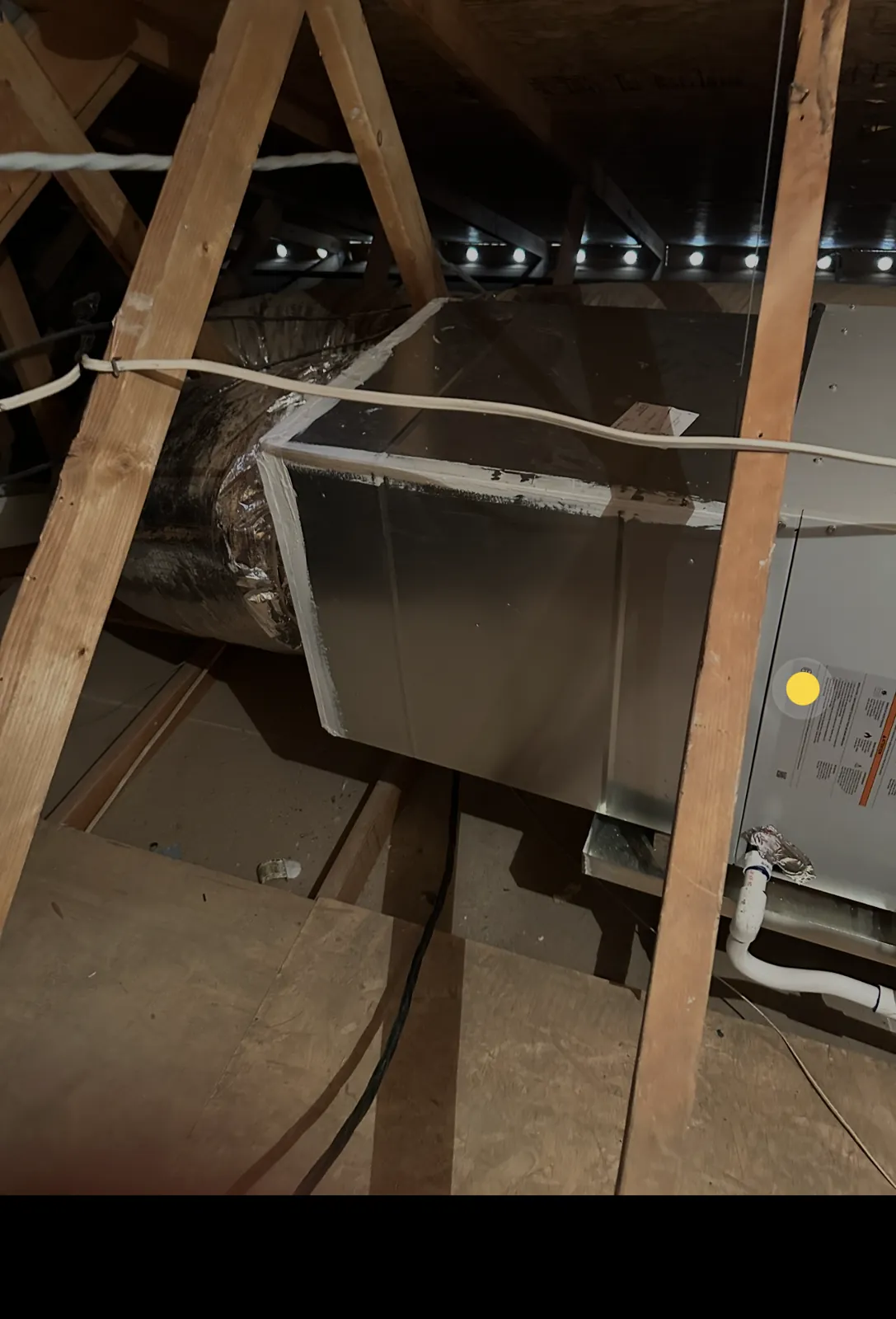
Yes. Package units, attic air handlers, closet furnaces and ductless mini splits all get a fall heating check suited to the equipment.