
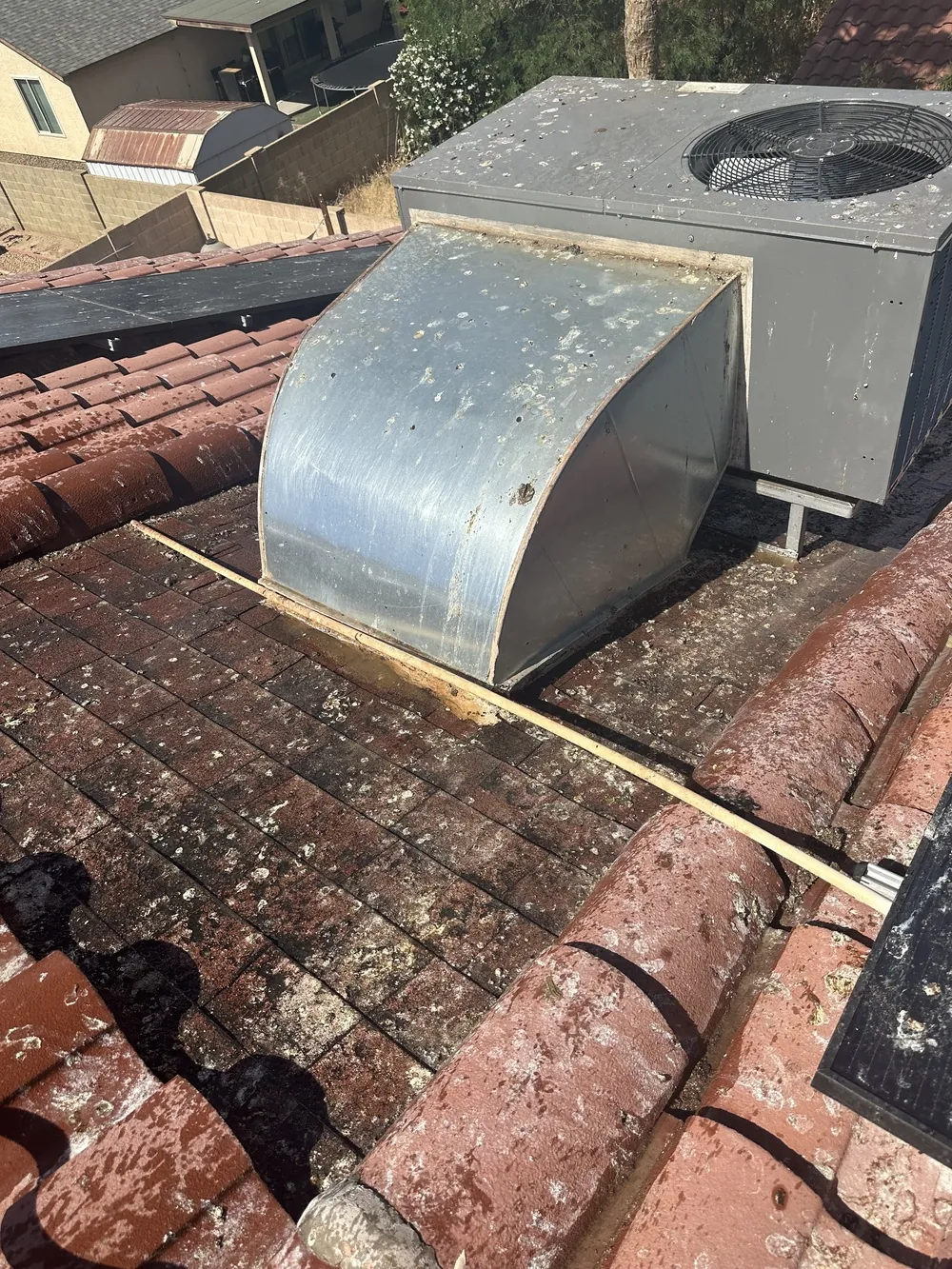
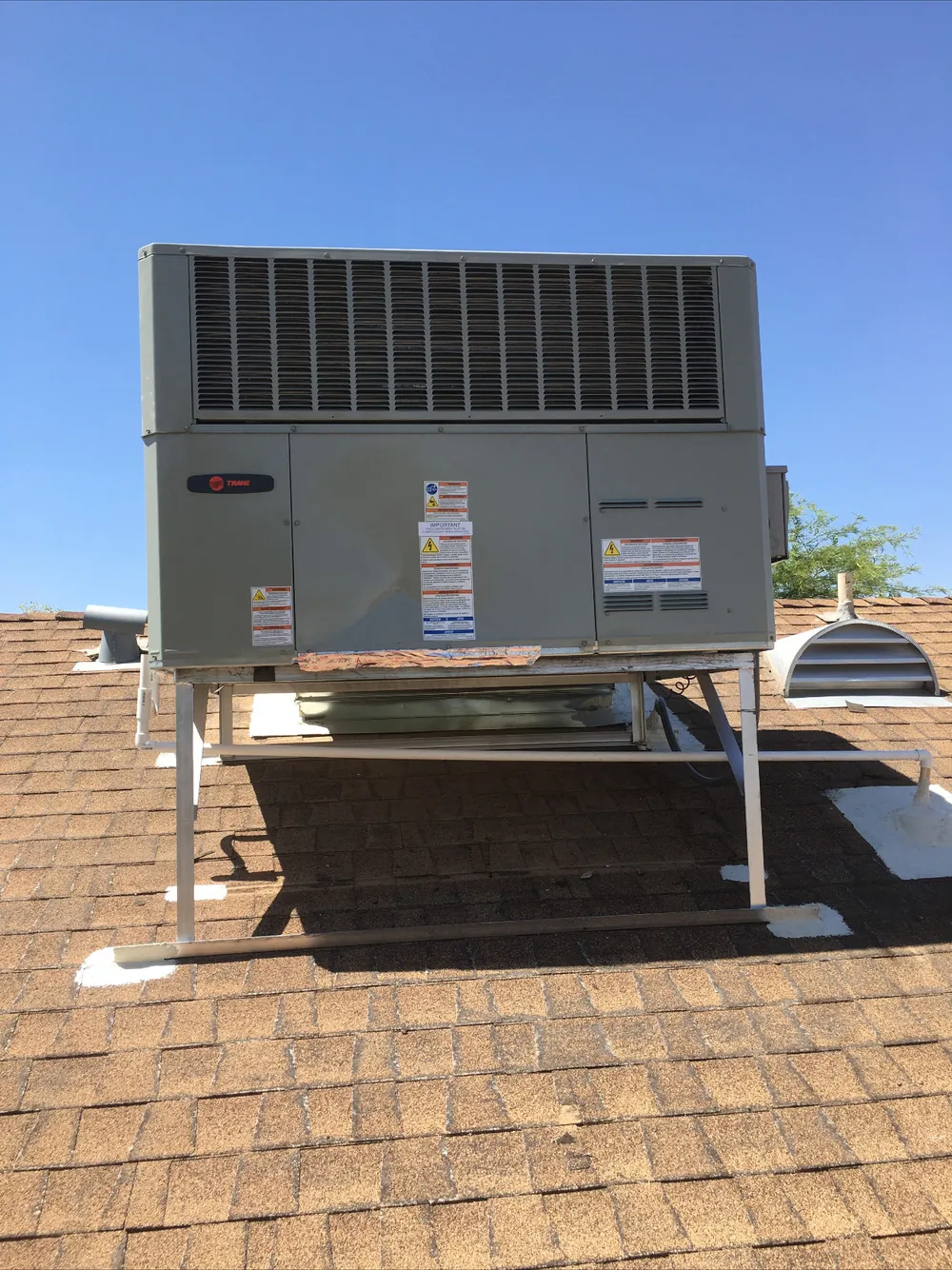
The compressor is a sealed unit, so internal damage means replacing it. Many problems that look like a bad compressor, though, are in the capacitor, contactor, wiring or start components around it, and those are repairable. We test before deciding.
On a unit past roughly 12 years, or one that uses R-22, putting a new compressor in an old system often does not pay off. On a younger system with healthy coils it can. We price both so the numbers make the call, and our AC lifespan guide gives more context.
Overheating causes most failures: dirty condenser coils, low refrigerant, bad capacitors and short cycling all add heat. Power surges from monsoon storms and acid buildup after a burnout are other common causes.
A humming unit that will not start usually has a failed run capacitor, a stuck contactor or a compressor that cannot get over its starting load. Turn the system off at the thermostat so it stops trying, then call (480) 618-6969.
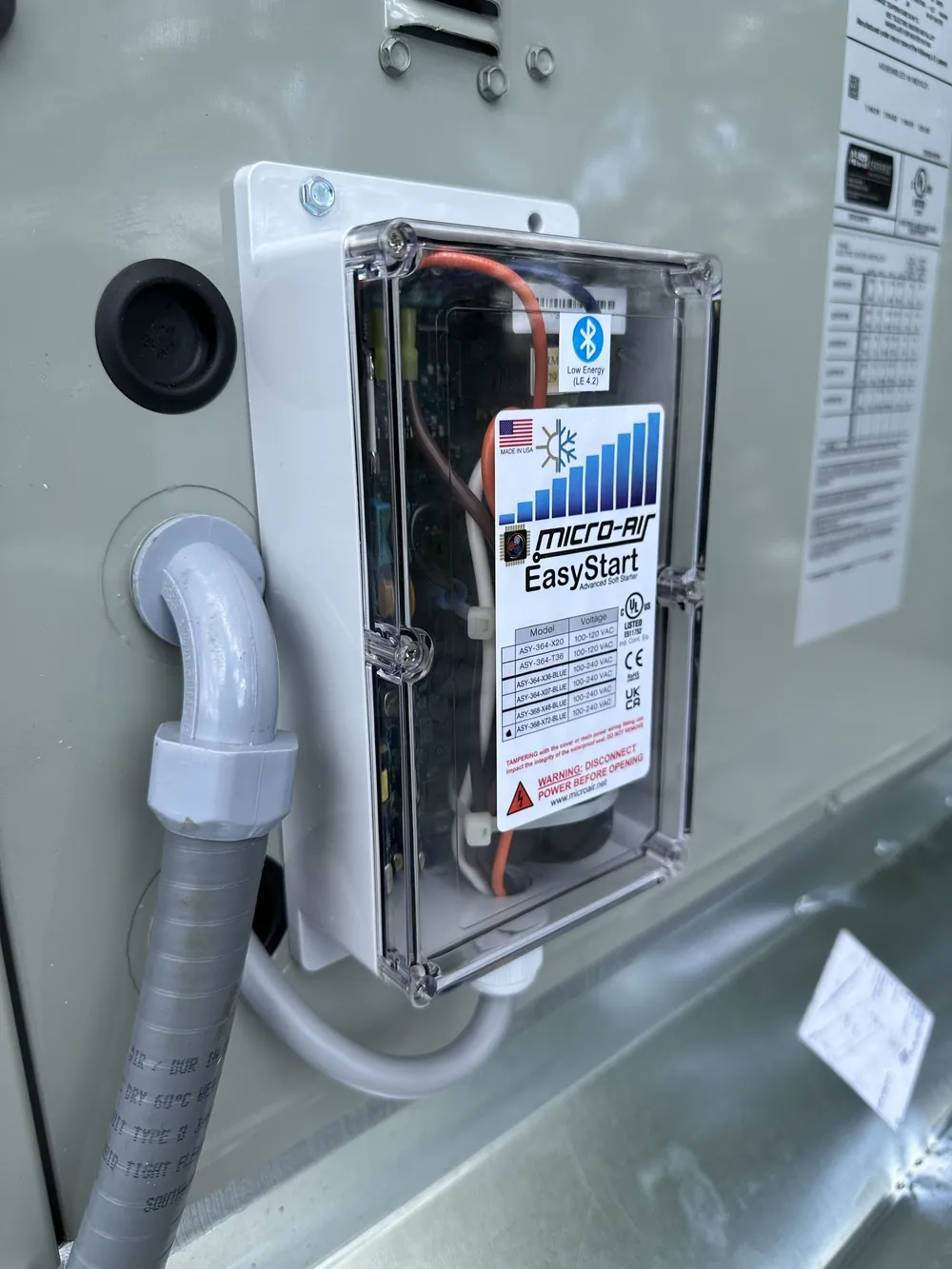
It is a small add-on that gives the compressor an extra boost of starting torque. It helps an older compressor that struggles to start on hot afternoons, but it does not fix a shorted or seized compressor.
Replacing a capacitor or contactor is a modest repair. A compressor replacement is one of the bigger AC repairs because it involves recovering and recharging refrigerant too. Your exact price is in writing first, and our repair cost page explains what drives it.
No. Every failed start heats the windings more and can damage the wiring or trip the breaker. Shut it off at the thermostat and leave the fan on if you want air moving.