
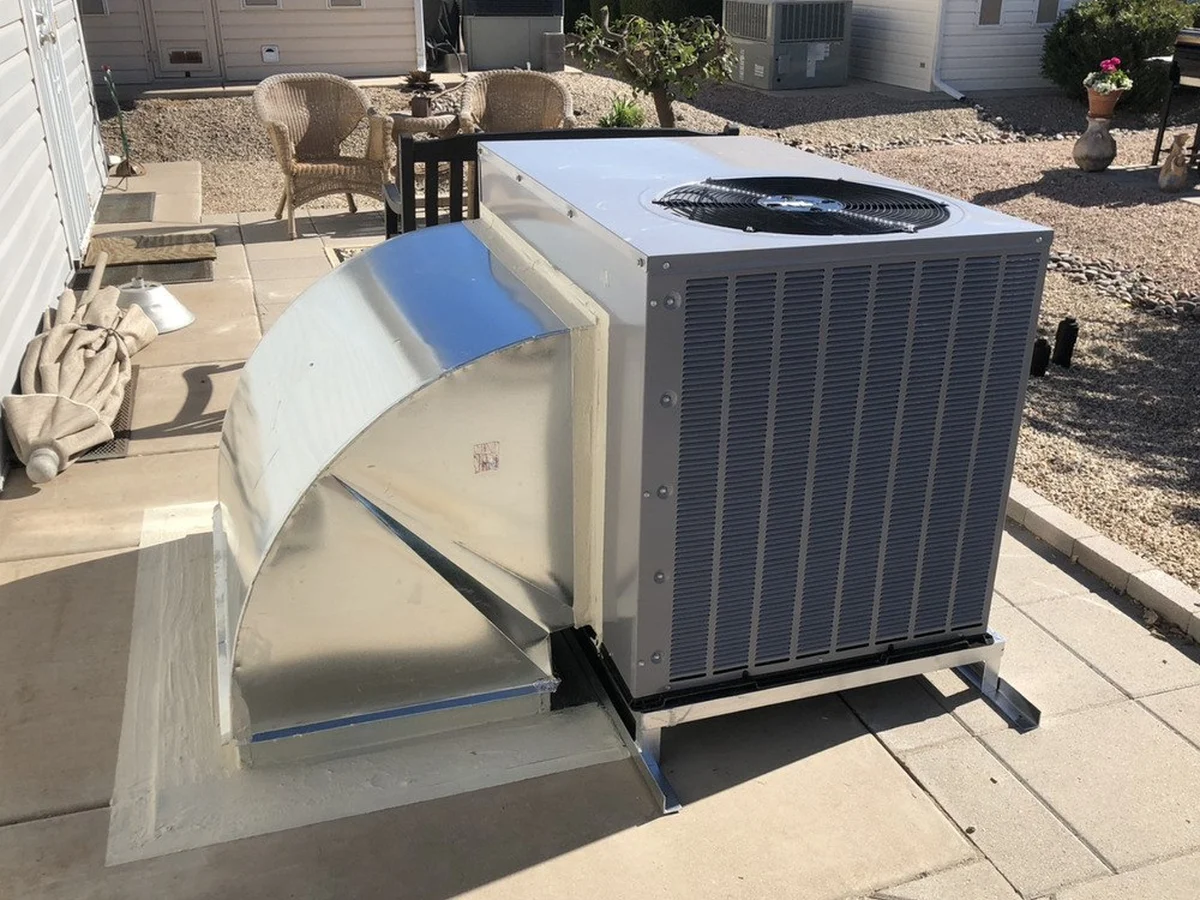
Short answer: Air conditioners in Arizona usually wear out sooner than the same equipment would in a mild climate, because they run hard for most of the year instead of a few months. The real answer for your home depends on the unit’s age, how well it has been maintained, and what has already failed. When repairs start stacking up or a major component goes, replacement is often the smarter spend.
Ask any tech who has worked a summer in Mesa and they will tell you the calendar age on the nameplate matters less here than almost anywhere else. An East Valley AC does not get a long off-season. It cools through spring, runs flat out through summer, and is still cycling in October. Every one of those hours is wear on the compressor, fan motors, capacitors and coils.
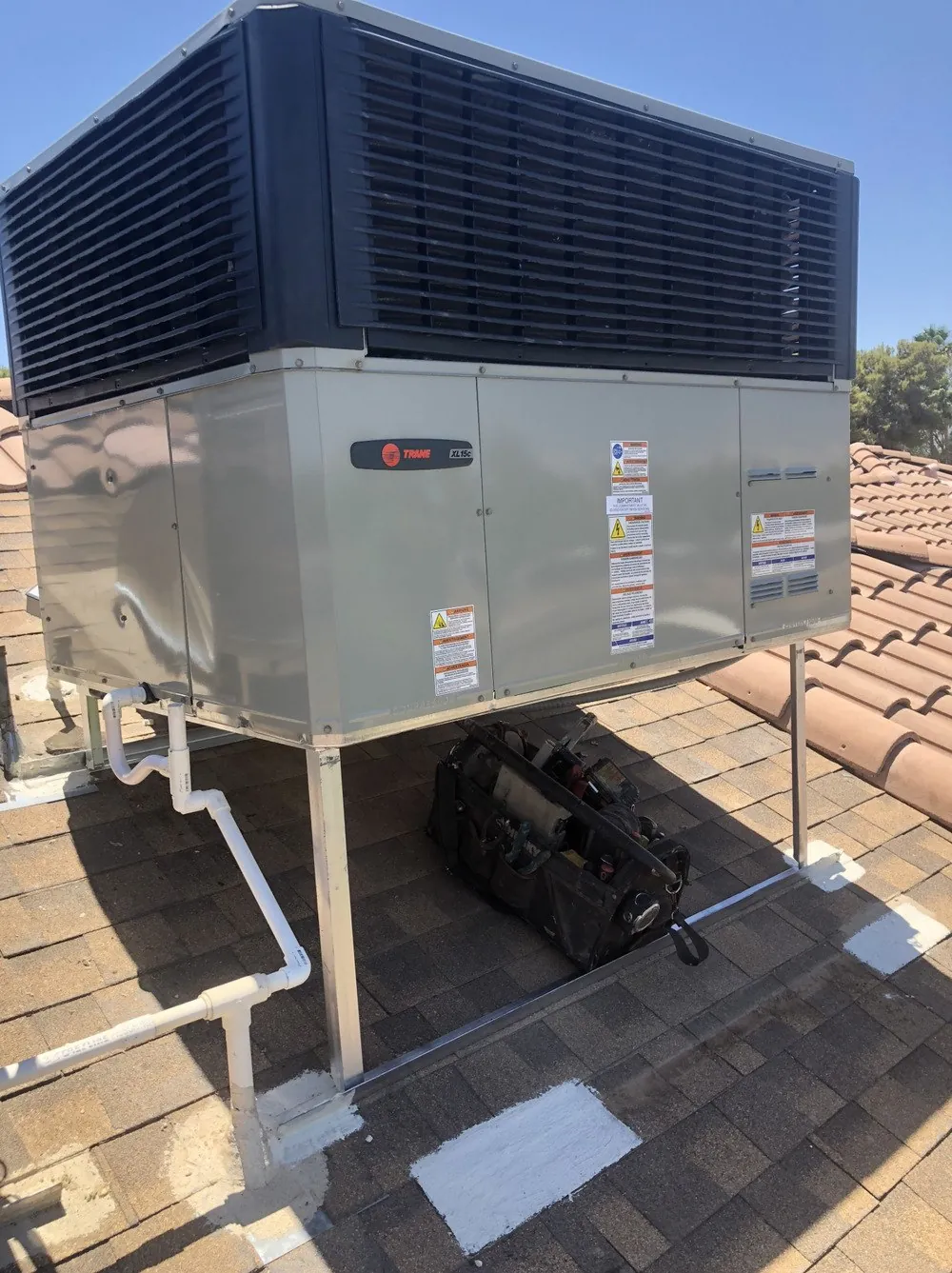
So instead of promising a number of years, this guide walks through what actually shortens an AC’s life in the desert, the signs that a system is near the end, and how to decide whether to repair it one more time or move on to a new AC installation.
Why AC Units Wear Out Faster in the Desert
Three things work against your system here, and none of them are your fault.
Runtime
Mechanical parts wear by hours and cycles, not by years. A system that runs most days of the year simply accumulates wear faster than one that sits idle from October to May. That is the biggest reason Arizona systems tend to have shorter lives than the same models in a milder climate.
Heat
Your outdoor unit’s job is to dump heat from inside your house into the outside air. When that air is already extremely hot, the system has to work harder to do it. The compressor runs hotter and components like capacitors degrade faster.
Dust
Valley dust and monsoon storms coat condenser coils. A coil packed with dust cannot shed heat, so the system runs longer and hotter to do the same job. This is why regular AC maintenance matters more here than in most places: a clean coil, a clean filter and a correct refrigerant charge keep the system from grinding itself down early.

Signs It Is Time to Replace Instead of Repair
None of these alone means you need a new system. Two or three together usually do.
1. The repairs are adding up
One repair is normal. A different repair every summer is a pattern. If you have paid for a capacitor, then a fan motor, then a contactor, in back to back seasons, the system is telling you something. At some point you are not maintaining it, you are replacing it one part at a time.
2. A major component has failed
Capacitors, contactors, thermostats and fan motors are worth fixing on almost any system. The compressor, the evaporator coil and the condenser coil are different. Those are the expensive, labor heavy repairs. When a tech quotes a compressor, ask for the replacement number in the same conversation.
3. It still runs on R-22
R-22 refrigerant was phased out and is no longer produced. If your system uses it, every refrigerant related repair gets more expensive and harder to source. That alone is a strong argument for replacement over a leak repair on an older R-22 unit. Your tech can read the refrigerant type off the nameplate.
4. Your cooling bills keep climbing
If your habits have not changed and your summer bills keep rising year over year, the system is losing efficiency. Newer equipment is built to tighter efficiency standards than units from a decade or two ago, so replacement often pays some of itself back in lower operating cost. How much depends on your home, so be wary of anyone quoting you a specific savings number without looking at it.
5. Some rooms never get comfortable
Uneven cooling can come from ductwork, insulation, or a system that is undersized or worn. If the unit runs constantly and the west facing bedrooms are still warm by late afternoon, have someone look at the whole picture, not just the equipment.
6. It is loud, it short cycles, or it leaks
Grinding, banging or squealing points to failing mechanical parts. Short cycling, where the system turns on and off every few minutes, stresses the compressor and often means a sizing or control problem. Water around the indoor unit or ice on the lines are both signs that something is wrong with airflow or refrigerant.
7. The house feels sticky during monsoon season
A healthy system pulls humidity out of the air as it cools. If your home feels clammy in July and August even when the thermostat is satisfied, the system may be oversized, short cycling, or worn to the point where it cannot run long enough to dehumidify.
“Great response time and a great job replacing our AC Unit. Highly recommend.”
Tim B., 5-star Google review
Repair or Replace: How to Decide
Here is the way a technician actually thinks it through.
- Inexpensive part, any age: repair. Capacitors, contactors and thermostats are small money relative to a new system.
- Newer system, any repair: repair, especially if parts are still under the manufacturer’s warranty. Check your model and serial number before agreeing to anything.
- Older system, sealed system failure: lean toward replacement. Compressors and coils on a unit that has already given years of desert service are rarely worth the spend.
- Older system on R-22: replace.
- Repairs in back to back seasons: replace, even if each individual repair looked reasonable at the time.
Our AC repair cost guide walks through what common repairs involve, which helps when you are weighing one more repair against a new system. And if the unit is still worth saving, our AC repair team will tell you honestly what it needs.

Getting the Most Life Out of a New System
If you do replace, a few decisions at install time decide how long the next one lasts.
- Right sizing. Bigger is not safer. An oversized system cools the air fast, shuts off, and never runs long enough to dehumidify or distribute evenly. A proper load calculation matters more than any brand name.
- Ductwork and insulation. A new unit pushing air through leaky ducts in a poorly insulated attic works harder than it should from day one. Our attic insulation page covers why that matters in Arizona homes.
- Rebates. Some efficiency programs offer incentives on qualifying equipment. Check our rebates page for what is currently listed, since programs change.
- Maintenance. A spring tune up before the heat arrives is the cheapest insurance you can buy on a system that is about to run for months straight.
Frequently asked questions
How long does an AC unit last in Arizona?
Shorter than in a mild climate, because it runs hard for most of the year. The exact lifespan depends on the equipment, how it was installed, and how consistently it was maintained. A tech can read the manufacture date and refrigerant type, check the major components, and give you a realistic read on how much life is left.
Is it better to repair or replace an old AC unit?
Repair inexpensive parts on almost any system. Replace when a compressor or coil fails on an older unit, when the system runs on R-22, or when you have paid for repairs in back to back summers. Always ask for both numbers before deciding.
What are the most common signs you need a new AC unit?
Repeated breakdowns, a failed compressor or coil, R-22 refrigerant, rising cooling bills, uneven cooling, loud operation, short cycling, and a home that feels humid in monsoon season. Two or more together usually point to replacement.
Does regular maintenance really extend AC life in the desert?
Yes. Dust loaded coils, dirty filters and an incorrect refrigerant charge make the system run longer and hotter, which is exactly what wears it out early. A spring tune up catches those before the summer runtime does the damage.
Talk to Jbee Industries About Your AC
Jbee Industries is a licensed, family owned HVAC and electrical contractor based in Mesa, serving the East Valley. Call or text (480) 618-6969 or contact us online. We will look at your system, explain what we find in plain terms, and give you both the repair and the replacement options so you can make the call.
What JBEE customers say
Professionalism from the moment of the quote for a new unit, to the finish of the install. The crew got it done within a few hours, and earlier than what I was told it would take. The owner, Jorge, was here for the entirety of the install and assisted throughout. Highly recommended.
George installed our Ac unit and wow he did an amazing job! He knows his stuff and is very knowledgeable! He was very honest and gave us both options and very transparent. I would recommend him to any one!
Get a free estimate today
Call or text JBEE Industries, or send the form and we will get back to you.
Call (480) 618-6969
One Response